A Lamp With Good Manners: Lighting the Front of an Old Lane House

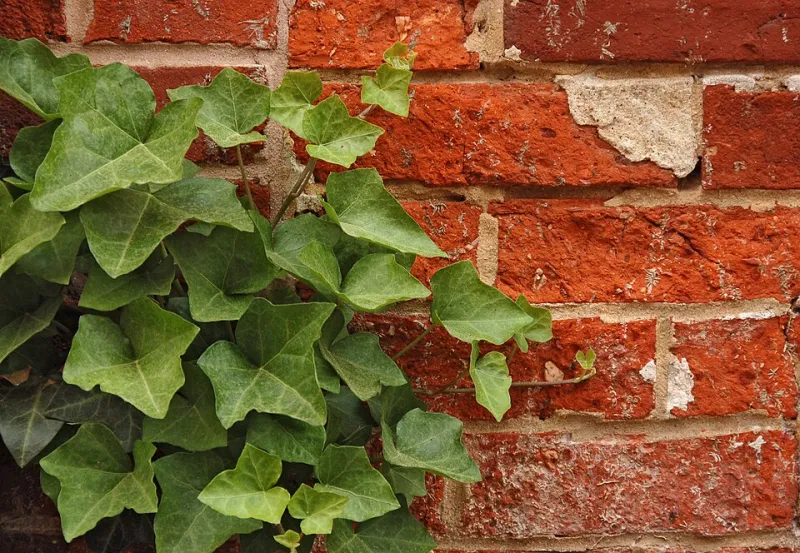
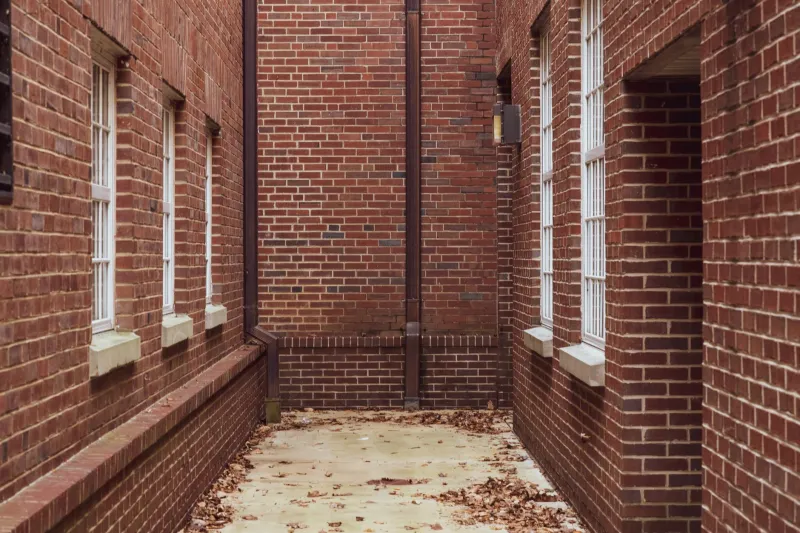
Photo: warm brass wall lantern on old red brick cottage exterior at dusk UK lane, via i.pinimg.com
On a lane, light is never just a practical matter. After dark, a lamp by the door becomes part of the street's conversation: it says someone is in, it helps a visitor find the step, and it gives old brickwork a chance to show its texture rather than disappear into a black rectangle. Get it right and nobody notices the fixture. They just notice that the lane feels easier to walk.
Get it wrong and you get the other thing: a hard white glare across the road, a neighbour's curtain twitching, and a house that looks less like a home and more like a retail park entrance. The aim is not to floodlight the facade. It is to light the few metres that matter — door, step, path, gate, house number — and let the rest of the lane keep its darkness.
Start with the job, not the fixture
Before you fall for a lantern in a catalogue, work out what actually needs lighting. Usually it is the front door, the threshold and the route from gate to step. Sometimes it is a house name or a key safe. It is rarely the whole front elevation.
A useful rule for a lane house: one well-placed light at the door, plus perhaps one low path light or a small bulkhead near a side passage. Two modest sources almost always beat one powerful one. Layering light at low level is kinder to the architecture and to the people walking past.
The right lantern for old brick
Period-appropriate does not mean fussy. A simple wall lantern with a sloping hood, a modest coach lamp, a plain bulkhead for a utility corner or a contemporary cylinder on a modern extension can all work. What matters is scale and finish. A tiny lantern on a tall Victorian wall looks mean; an enormous carriage lamp on a cottage door looks like fancy dress.
Brass, powder-coated steel and cast aluminium are sensible choices. Shiny chrome tends to look out of place against weathered brick; unlacquered brass will age and settle in. Look for a fixture with a decent backplate, especially if it can cover old screw holes or a previous fixing scar. A shade or hood that throws light downwards is better than an exposed bulb that sends it sideways into passing eyes.
Check the IP rating. A sheltered porch might be fine with IP44; an exposed wall on a windy lane wants IP65 and a finish that can take driven rain. Weatherproof does not mean immortal, so choose something you can open, clean and re-lamp without dismantling half the wall.
Warmth, not wattage
This is where many outdoor schemes go wrong. Cool white light — the sort that reads blue or grey — makes red brick look bruised and pale render look clinical. For a characterful house, aim for a warm colour temperature somewhere around 2200K to 2700K. That is the familiar glow of an old filament lamp, not the brightness of a supermarket aisle.
You also need far fewer lumens than you think. A door light of roughly 200 to 400 lumens is often plenty. Save the higher output for a working area if you genuinely need it, and keep it on a separate switch. A warm, low-output LED with good colour rendering will flatter brick, timber and painted doors far better than a cold, powerful one. The goal is to see the step, not to interrogate it.
Placement: light the path, not the neighbourhood
Mount a door lantern at a sensible height — usually around head height or a little above — and make sure the light falls on the threshold rather than straight out across the lane. A downward-facing shade, a shield or a hood does most of the diplomatic work for you. If the fixture can be angled, point it at the path and the door furniture, not at the road.
Path lights should be low and subtle. Uplighting the facade can look dramatic for an evening, but on a narrow lane it often spills into upstairs windows and washes out the very brickwork you were trying to admire. Dark-sky-friendly lighting is not an urban affectation; it is good manners. Keep the beam contained, keep it low, and keep it pointed where it is useful.
Sensors, timers and the quiet curfew
A PIR sensor can be useful on a path or side passage, but it needs tuning. Set it to a short time and a sensible sensitivity so it is not triggered by foxes, cats, passing pedestrians or a shrub moving in the wind. A sensor that snaps on every few minutes is more annoying than a light left gently burning.
For the door light, a timer or dusk-to-dawn setting is often kinder than a motion sensor. A warm lamp on from late afternoon until a reasonable hour says welcome; a lamp that only fires when someone approaches says security check. There is a place for both, but they are different jobs. If you want a light left on, choose a low output and put it on a timer so it does not become the brightest thing on the lane at two in the morning.
Smart bulbs and app-controlled switches can be handy, but keep a manual override. Technology ages faster than brickwork, and a porch light should still work when the Wi-Fi does not.
Wiring an old wall without bruising it
Old brickwork dislikes unnecessary holes. Use existing fixing points where you can, or mount the light on a neat timber or metal backplate rather than drilling a fresh constellation into the facade. Avoid chasing new cable routes through brick if there is a sensible alternative; surface conduit painted to match the wall can be less invasive than a row of raw channels.
Cable entries need sealing against rain, and outdoor joints should be accessible and properly rated. A drip loop is your friend. So is a qualified electrician, particularly where old wiring, earthing or consumer units are involved. In England and Wales, notifiable electrical work in a dwelling should be handled by someone who knows the Building Regulations; this is not the moment for improvisation. The best outdoor lighting job is one you can service in five years without breaking the wall open again.
The neighbour test
Before you commit, stand where your neighbour might stand. Look at your proposed light from their window, their path or the lane itself. Does it shine into a bedroom? Does it glare across the road? Does it turn their front garden into a stage? If so, adjust the angle, add a shield, lower the output or shorten the timer.
A quiet word beats a defensive floodlight every time. Most people are happy with a warm porch lamp that helps everyone see the step; few are happy with a beam that reaches their pillow. Light trespass is a real nuisance, and on a narrow lane the distance between welcome and intrusion can be less than a metre.
A small light, left on
The best outdoor lamp for a lane house is not the biggest or the cleverest. It is the one that knows its place. It reveals the door handle, the worn step and the texture of the brick. It gives a late visitor confidence. It lets the house keep its dignity after dark without making a performance of itself.
Choose a modest fixture, a warm bulb, a downward beam and a timer with a sensible curfew. Then leave it alone. The lane will look better for it, and your neighbours will probably never mention it — which is exactly the point.