After the Rain: A Wet-Day Walk Around aLane House
Heavy rain is the most honest surveyor a lane house ever gets. This is a practical, neighbourly guide to reading puddles, hoppers and wet brick before you reach for the cement.

British bricks, paint and place
Heavy rain is the most honest surveyor a lane house ever gets. This is a practical, neighbourly guide to reading puddles, hoppers and wet brick before you reach for the cement.
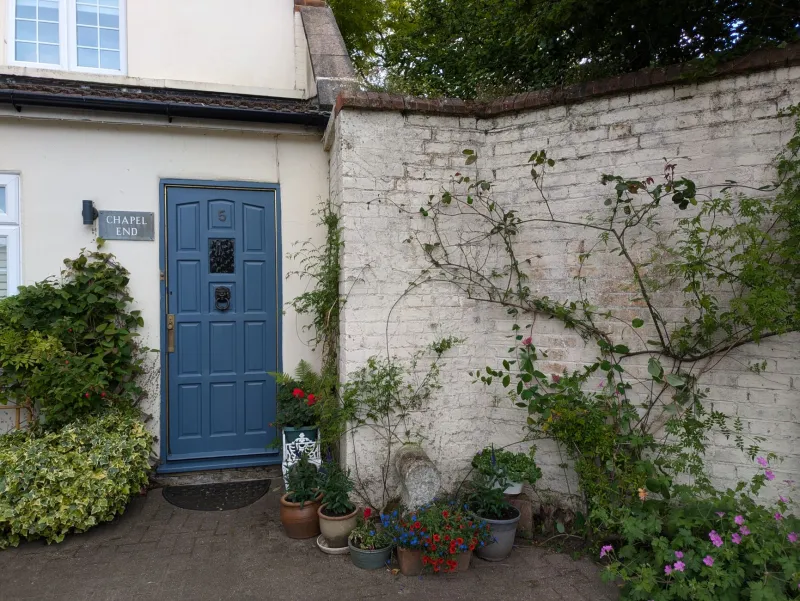
The most-trodden square metre of an old lane house is not the hall or the hearth but the doorstep — a small archive of stone, iron and paint. Here is how to read the wear, repair what matters and choose finishes that survive British weather and daily boots.
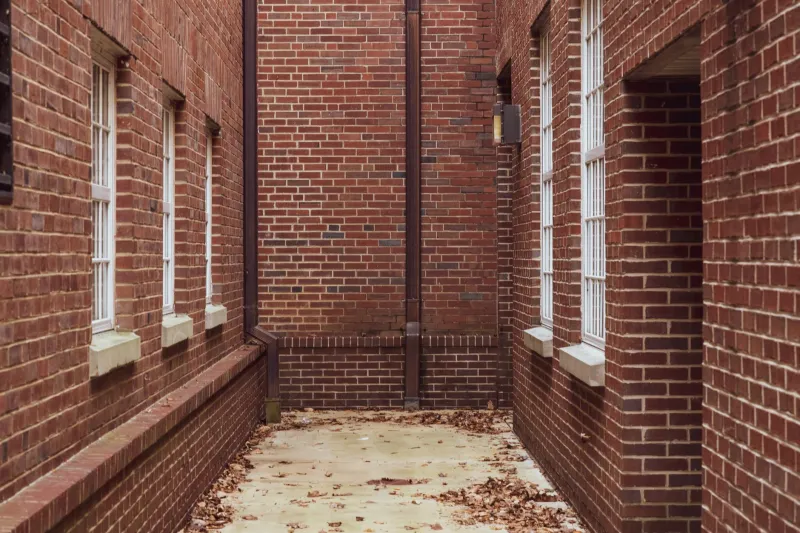
Most lane houses come with a narrow side passage that quietly fills up with bins, broken pots and damp. Rather than sealing it off or turning it into a grim storage corridor, it can be made to work as a route, a light-well and a weather buffer — with a little thought and very little building.
Before anyone notices your door, they've already read your roofline — the lean of the stack, the run of the gutter, the ridge that never quite went back straight. A guide to reading those signals honestly, repairing them sympathetically, and leaving well enough alone.
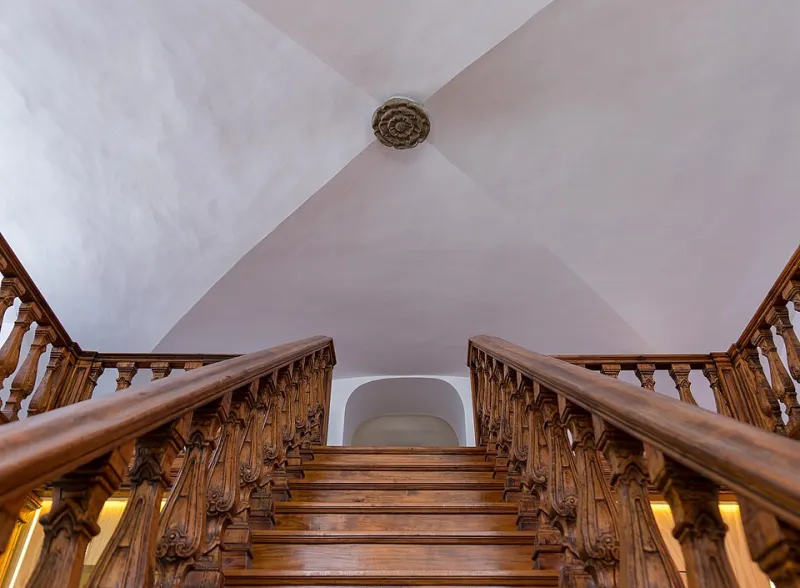
The staircase is the hardest-working piece of joinery in a lane house, and the one most likely to be replaced in the name of a clean start. Here is a preservation-minded but practical guide to quietening creaks, mending worn treads and keeping the layers that make an old stair worth climbing.
The wall at the end of the garden may feel like yours, but on a narrow lane it is rarely that simple. A calm look at shared boundaries, old deeds, awkward hedges and the neighbourly art of sorting out who maintains what before anyone reaches for a cement bag.
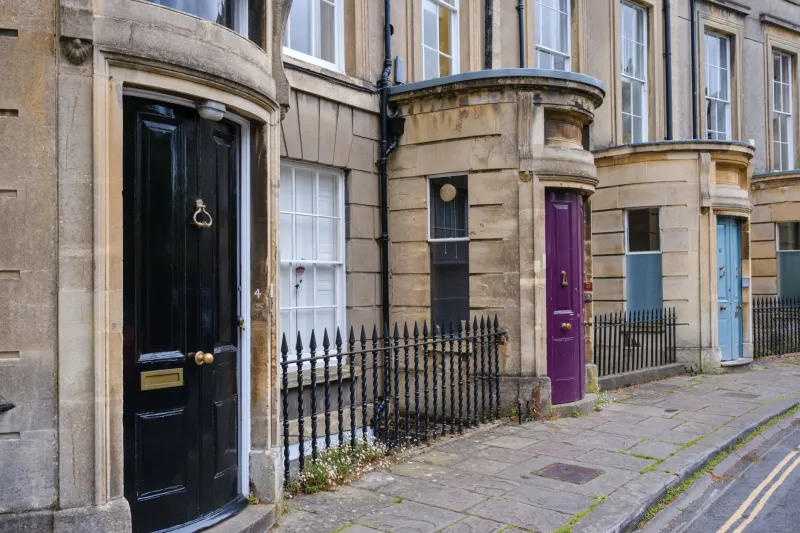
A front door on a brick lane house is less a statement than a handshake. Here is how to choose, repair and paint one that suits the reveal, survives the weather and still feels like it belongs.
The glossy showroom kitchen is often the wrong answer for an old lane house. A more persuasive option is a room with a pantry, a dresser, a scrubbed table and materials that improve with use—here is how to update a dated kitchen without erasing its character.
A blocked-up window is one of the quietest bits of history a brick house can carry. Here is how to spot one, why so many were filled in, and how to weigh the romantic case for reopening it against the practical cost of light, warmth and consent.
Before the first hard frost settles on the lane, an old brick house will quietly tell you where winter might get in. This is a slow, practical lap around the outside — gutters, air bricks, plinths, thresholds and all — with a clear eye on what to watch, what to fix and what to leave well alone.
A house name is not a branding exercise. It is a small, public act of belonging — something that lives on a gate, a letterbox and a listing detail. Here is how to find one that draws from the lane's history, its brickwork, its trees and trades, without slipping into twee cliché.
Characterful lane houses were never designed for two cars, four bins and an electric hatchback. Here is how to make the frontage work hard without paving it into a car park, from dropped kerbs and bin screens to bike stores and charging cables.
Choosing a colour is the easy part. The real question is how a finish will look after three wet winters and a hot July. A guide to microporous masonry paint, limewash, silicate systems, joinery gloss and timber oils — and to colours that chalk and soften rather than peel and sulk.
On a house set close to a lane, the strip between door and road has to work hard: privacy, deliveries, parking, bins and kerb appeal all compete for the same small space. Here is how to make the frontage feel considered and open without turning it into a fortress.
Repointing can look like a simple maintenance job, but on older British brickwork the wrong mortar can do quiet, expensive damage. This is how to read a failing wall, brief a lime specialist and avoid repairs that shorten the life of a characterful facade.
Lane-side living is all charm until the 6.40am van door. A pragmatic, slightly opinionated guide to taking the edge off road noise in an old house — secondary glazing, door seals, heavy curtains, planting and boundaries — while keeping every bit of the character that made you buy it.
Painting the front of a brick house is one of the few home decisions that everyone on the lane gets to have an opinion about. Here is how to read your brick's undertone, test a colour properly, and pick a trim and door combination that flatters rather than fights the wall it sits on.