Borrowing the Sky: Scaffolding a Lane House Without Losing the Neighbours

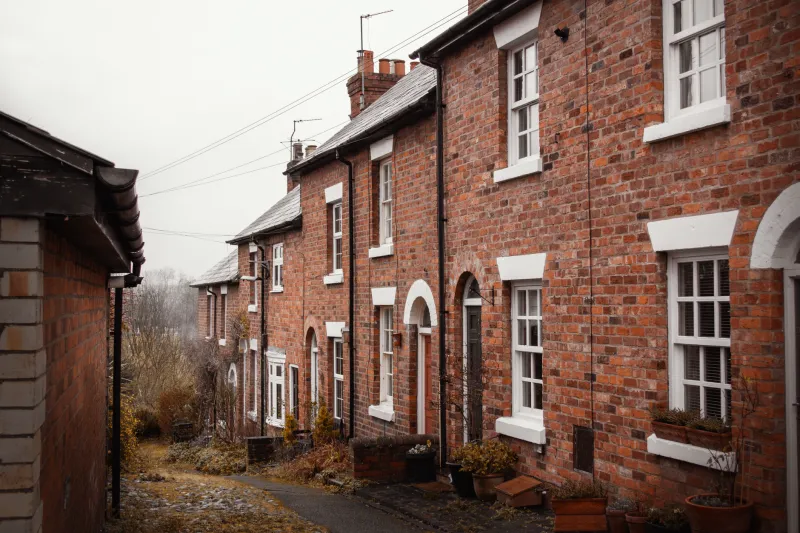
Photo by Photo by David Bayliss on Unsplash on Unsplash
There is a moment in every old lane house when the roof stops being a distant silhouette and becomes a list of jobs. A slipped slate. A gutter that has begun to weep down the brick. A chimney pot that looks less upright than it did last winter. The work is above head height, which means the real project starts lower down: with scaffolding.
On a wide suburban road, scaffolding is a minor inconvenience. On a narrow lane, it is a temporary resident. It borrows daylight, narrows the way past, leans over front gardens and gives everyone a view into everyone else's upstairs windows. Handled well, it can be quietly impressive. Handled badly, it turns a few weeks of roof repairs into a small local saga.
Start with the awkward conversation
The most useful thing you can do before a single pole arrives is talk to the people whose light, access or sleep will be affected. A short note through the door is fine; a doorstep chat is better. Explain what is being repaired, roughly when the scaffold goes up and comes down, and who to ring if something is not right. Give a mobile number. It sounds old-fashioned, but it changes the tone of the whole job.
If the scaffold needs to stand on a neighbour's land, get that agreement in writing. Even a friendly email confirming dates, the area used and how it will be made good is worth having. Check your household insurance and ask the scaffolder for their public liability details. If the lane is adopted highway and the structure touches the pavement or road, you may need a scaffold licence from the local authority. In a conservation area or on a listed building, check whether consent is needed before brackets, sheeting or lights go on the fabric. None of this is glamorous, but it is the difference between a repair and a dispute.
Brief the scaffolder for the lane, not the catalogue
A scaffolder who works mostly on new-build estates may not instinctively understand a lane where the refuse lorry reverses carefully and a window cleaner's van is a traffic event. Walk the route with them. Show them the narrowest point, the drain you do not want crushed, the low branch, the neighbour who works nights, the place where deliveries usually stop. Ask where the wagon will park and when. Ask how materials will be passed up, and whether nets, boards or a catch fan are needed to stop debris landing in a front garden.
Be specific about the building too. Old brick does not always welcome a tie driven into it. Ask for pads, independent stands and fixing points that respect soft mortar and fragile faces. If the wall is particularly precious, say so before the first pole is cut. A good scaffolder will not be offended; they will be relieved to know what they are dealing with.
Protect the things you cannot replace
Scaffolding has a way of finding the weakest point in a front garden. A pot that has stood by the door for twenty years is no match for a rolling steel tube. Move what can be moved, and board or wrap what cannot. Cover drains and gullies so mortar crumbs and brick dust do not vanish into them. Put down boards or matting where feet will constantly pass, especially after rain, and ask for the site to be swept at the end of each day rather than on the last Friday.
On the building itself, the risks are quieter but real. Mortar smears on brick, scratched paintwork, bent gutter brackets, a downpipe used as a ladder. Take photographs before the scaffold goes up and again once it comes down. If pointing or brick repairs are part of the job, make sure the scaffold is not tied so tightly that it damages the very wall it is there to help. Lime mortar and old brick need a gentle approach, not a heavy hand and a pressure washer.
Phase the work so the scaffold earns its keep
Scaffolding is expensive, conspicuous and mildly annoying, so use it properly. Once it is up, survey everything you can reach: roof covering, flashings, gutters, downpipes, fascias, chimney stack, high-level brickwork, window heads and any paintwork that has been quietly failing out of sight. Take photographs from the platform while you have the chance. It is far cheaper to fix a small gutter bracket now than to erect the whole thing again in eighteen months.
Sequence the trades sensibly. Roof and rainwater goods usually come first, because water is the patient enemy. Then masonry repairs and repointing, then any joinery or painting that needs access. If several jobs can share the same scaffold, do them in one campaign. The aim is not to keep the scaffold up for months; it is to make sure that when it comes down, you are not immediately wondering why you did not ask the roofer to look at the flashing while he was there.
The small courtesies that keep lane life civil
Scaffolding changes the sound of a street. It echo-checks footsteps, collects wind and gives every conversation a metallic edge. Ask the crew to keep radio volume reasonable, avoid early-morning hammering where possible and park considerately. Keep your own notes pinned to the door or sent by message: what is happening this week, when the scaffold is being inspected, when it will disappear. People tolerate disruption far better when they can see the shape of it.
A little generosity goes a long way. Warn neighbours before noisy work. Keep the pavement or lane edge clear where you can. If someone's window is overlooked by the platform, mention it and ask the crew to be discreet. And when the job is done, a short thank-you note costs nothing and buys a great deal of future goodwill.
When it comes down
Do not let the scaffold vanish without a final walk-round. Check the brickwork for scuffs, the gutters for new leaks, the front garden for compacted soil and the lane for stray clips or broken boards. Make good anything that was disturbed. Then, with luck, the house will look much as it did before, only drier, sounder and a little better understood. The sky will be returned to the lane, and the neighbours will have forgotten the inconvenience. That is the quiet standard worth aiming for.