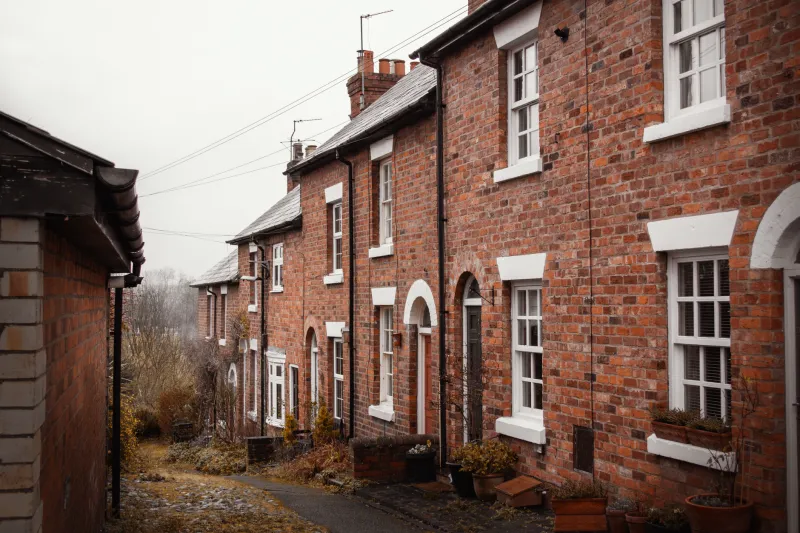
The Rain Route: Tracing Water Around an Old Lane House Before Winter
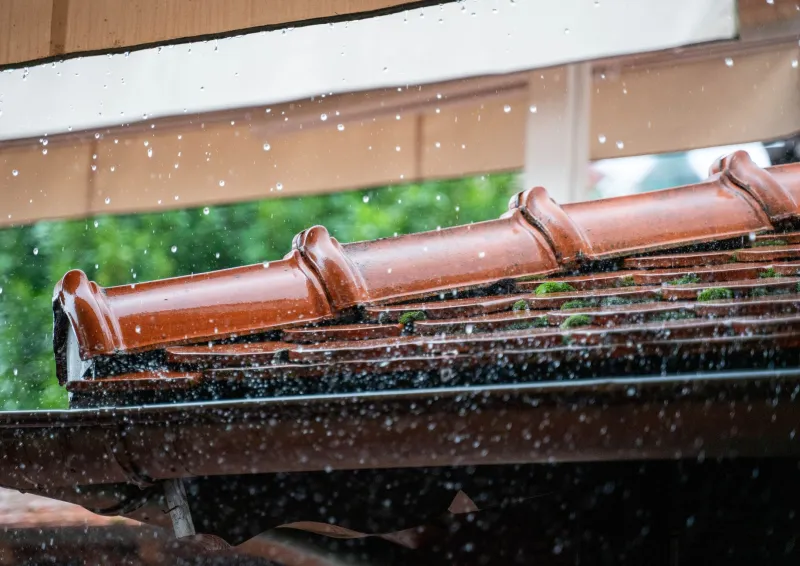
On a dry November afternoon, an old lane house can look remarkably composed. The brick is soft, the lane is quiet, and the gutter is doing its best impression of a gutter that has everything under control. Then it rains for three days, and the same house starts leaving clues: a dark patch by the sill, a green slick on the paving, a damp smell in the back room that nobody wants to investigate.
The temptation is to panic about rising damp. The better move is to follow the drip. Water around an old house is rarely mysterious once you trace its route from roof to ground. Think of it as a winter audit — not a heroic building survey, just a calm walk around the outside with a torch, a notebook and a reasonable pair of shoes.
Start at the top, but keep your feet on the ground
You do not need to climb a ladder to learn a great deal about a roof drainage system. Stand back and look at the roofline. Are the gutters level, or do they sag in the middle? Is there a visible fall towards the downpipe? Are there plants growing out of the gutter — a sure sign that last autumn's leaves have become this autumn's compost heap?
Then look at the joints. A gutter does not usually fail in one dramatic moment. It leaks at a union, a stop end or a corner, often only when the flow is heavy. If the brick below a joint is darker than its neighbours, or if the mortar has gone soft and sandy, that is worth noting. Do not poke at it. Just write it down.
Check the hopper head, too — the little funnel where the gutter meets the downpipe. If it is choked with moss and grit, water will back up and spill over the edge. That spill can travel down the wall for years without anyone noticing until the plaster inside starts to bloom.
Follow the downpipe like a detective
A downpipe has a simple job, but old houses often ask it to do strange things. It may discharge onto paving, into a gully, into a soakaway, or — in some lane houses — into a water butt that was installed with great enthusiasm and then forgotten.
Trace it with your hand and your eye. Are the brackets secure? A loose downpipe can pull away at a joint and send water straight down the wall. Is the shoe at the bottom directing water away from the brick, or is it dumping it into a flower bed that slopes back towards the house? Small misdirections matter. Water that leaves a pipe and lands within a metre of the wall is water that will find the mortar.
If the pipe disappears into the ground, note where. Is there a gully with a grating? Is it clear? A blocked gully is one of the most common causes of a wet patch that looks, at first glance, like something much worse. Lift the grate if it is safe to do so, clear the leaves, and pour a bucket of water down. If it drains away briskly, good. If it sits there or bubbles back, you have found a weekend job — or a call to a drain company.
The ground is part of the system
Old lane houses were not always built with the same obsession with falls and levels that we have now. Paving may have been laid over old paving. A path may have been raised. A flower bed may have been built up against the wall. Each of these can change where rainwater goes.
Look for the tell-tale signs of water sitting rather than leaving: green algae on paving, dark joints, gravel that has gone black, a line of damp at the base of the wall that is worse after rain. These are not the same as rising damp. Rising damp tends to be a more consistent band, often with a tide mark, and it does not vanish after a dry spell. Condensation, meanwhile, usually shows up inside — on cold windows, in corners, behind furniture — and is more about warm moist air meeting a cold surface than about a hole in the roof.
A wet patch that appears only after heavy rain, and dries out afterwards, is usually a drainage or exposure issue. That is useful to know before you start pricing damp-proof courses you may not need.
The small checks worth doing now
Before winter properly arrives, there are a few simple things worth putting on the list:
- Clear leaves and moss from gutters and hopper heads, but only if you can do so safely from the ground or with proper equipment.
- Check that downpipe joints are aligned and that the shoe at the bottom sends water away from the wall.
- Lift gully gratings and clear debris. Test with a bucket of water.
- Look at the air bricks. They should be clear and above the ground, not buried by paving or soil.
- Note any wet patches on walls after rain, and photograph them. Patterns are easier to read over time.
- Check that external taps and overflow pipes are not dripping onto the wall.
None of this requires a specialist. It requires a notebook and a bit of curiosity.
When it is time to call someone
Some things are weekend jobs: a loose bracket, a blocked gully, a downpipe that needs re-routing away from the wall. Others are not. If water is pooling near the foundations, if a soakaway appears to have failed, if a wall is wet high up and staying wet, or if you can see movement or cracked render around a downpipe, get a professional in. The same goes for anything involving electrics, or if a gully backs up repeatedly after clearing.
A drainage audit is not about finding problems everywhere. It is about knowing your house's rain route well enough to spot when it changes. Old brick houses are forgiving, but they are not indifferent. Water will always find the easiest path. Your job is simply to make sure that path is not through the wall.