A Door With Manners: Choosing, Painting and Mending a Lane-House Front Door
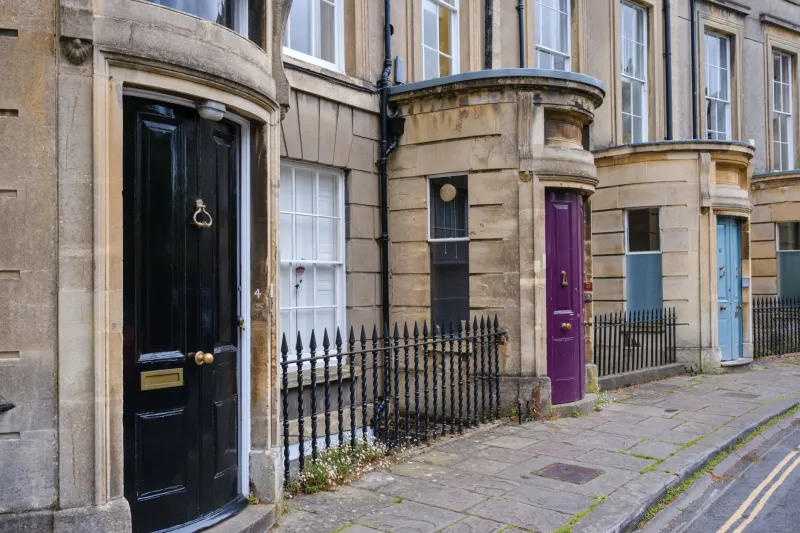
A front door on a lane house is not a billboard. It is a handshake. It says whether the house is cared for, whether the entrance is welcoming, and whether the person who chose it understood the brick around it. Get it right and nobody notices the effort. Get it wrong and the whole lane seems to wince.
Start with the reveal, not the door
Before you fall for a colour or a panel pattern, look at the opening. Old brick houses rarely have a perfectly square, plumb reveal. The jambs may have shifted, the lintel may have sagged a little, and the threshold may sit a finger's width out of level. This is why timber doors so often suit brick lane houses better than composite slabs. Timber can be planed, eased and adjusted to an imperfect opening. It can be repaired in sections. It can be painted and repainted until it develops the sort of surface that makes a house look settled rather than newly fitted.
Composite doors have their place. They are secure, thermally efficient and need little maintenance. But a moulded slab pretending to be timber, set into a weathered brick reveal, often looks like a guest who has arrived in the wrong clothes. If you go composite, choose a simple, honest profile. Avoid fake grain, fussy glazing bars and panels that imitate a door twice their age. A plain door in a good colour will always look more at home than a busy one in a clever material.
Read the paint before you reach for the scraper
Paint failure is information. Blistering near the bottom of a door usually points to moisture trapped behind the coating, often from a threshold that is bridging the damp-proof course or a sill that is holding water. Peeling on a south-facing door may simply be sunlight doing what sunlight does. Flaking in patches can mean the wrong primer was used, or that the door was painted over a damp surface on a cold day.
So do not just scrape and repaint. Diagnose first. Check the threshold, the drip edge and the gap under the door. Look at the bottom rail, which is where water collects. If the timber is soft, press a screwdriver into it gently. A door that is rotten at the base can often be repaired by splicing in new timber, but only if you catch it before the frame is affected.
Draughts, letterplates and the small things that matter
A lane entrance takes more punishment than a sheltered suburban porch. Wind funnels down narrow streets. Rain drives sideways. The door is opened and closed far more often than you expect. That makes the details matter: the letterplate, the threshold, the seals, the hardware.
A wobbly letterplate is not just an annoyance. It is a hole in the door's weatherproofing. Choose one with a proper flap and brush seals, in brass, cast iron or blackened metal rather than thin chrome. A letterplate should sit at a sensible height, clear of the lock and not so low that rain bounces up into it. The threshold should shed water away from the door, not trap it. A simple timber threshold with a drip groove is often better than a bulky aluminium bar that looks like it belongs on an office.
Draughts around the edges can usually be sorted with brush seals or a discreet compression seal. If the door is badly warped, though, seals are a sticking plaster. Rehanging or repairing the door is the better answer. And while you are there, check the hinges. A door that drops will rub the threshold and let in water. A door that swings shut on its own is telling you the frame is out of true.
Colour is a local matter
Paint charts are a lie under shop lights. A colour that looks like a deep, confident green in the shop can turn black in the shadow of a north-facing lane, or go chalky and flat in strong afternoon sun. A door colour must be judged in the doorway's actual light.
Paint a sample board and prop it against the door. Look at it in the morning, at midday and in the late afternoon. Look at it wet and dry. Look at it next to the brick, not next to the paint chart. London stock brick, soft red brick, Yorkshire stone and painted render all behave differently. Deep greens, oxblood, navy, charcoal and off-white are reliable companions for British brickwork. Bright primary colours can work, but they need confidence and a plain door. Whatever you choose, let the brick have its say.
Finish matters too. Modern water-based eggshells are durable and easier to live with than traditional gloss, and they suit old doors without making them look plastic. A satin or eggshell finish flatters imperfect timber. High gloss can look wonderful on a well-maintained Victorian door, but it shows every dent and repair. If the door is old and a little battered, a lower sheen is kinder.
Repair before you replace
A solid timber door is a repairable object. Stiles can be spliced. Bottom rails can be replaced. Panels can be patched. A good joiner can rehang a door that has dropped and ease one that has swollen. That is not just thrift; it is the reason old doors look right. They have settled into the house.
Replacement is sometimes the sensible answer, particularly if the door is hollow, badly damaged or insecure. But if you are in a conservation area, check what is permitted before you order anything. And if you are replacing, keep the proportions and the panel layout simple. A lane house does not need a door that shouts. It needs one that fits.
A short checklist for a lane entrance
- Letterplate: choose one with a flap and brush seals; avoid thin, rattly metal. Check it clears the lock and sits above the damp line.
- Threshold: make sure water drains away from the door. A timber threshold with a drip groove often beats a bulky metal bar.
- Finish: use a durable exterior eggshell or gloss suited to timber. Prepare properly and never paint over damp wood.
- Hardware: brass, cast iron or blackened metal will age well. Avoid shiny, lightweight fittings that look new for a season and tired thereafter.
- Fit: fix draughts with seals, but repair a warped or dropping door rather than masking the problem.
- Light: test your colour on the door, in the doorway, at different times of day. The paint chart is only a starting point.
The best front door on a lane is not the most expensive one. It is the one that looks as though it has always been there, doing its job quietly. A door with manners. That is the one worth keeping.