The Name on the Gate: Finding a House Name That Belongs to the Lane
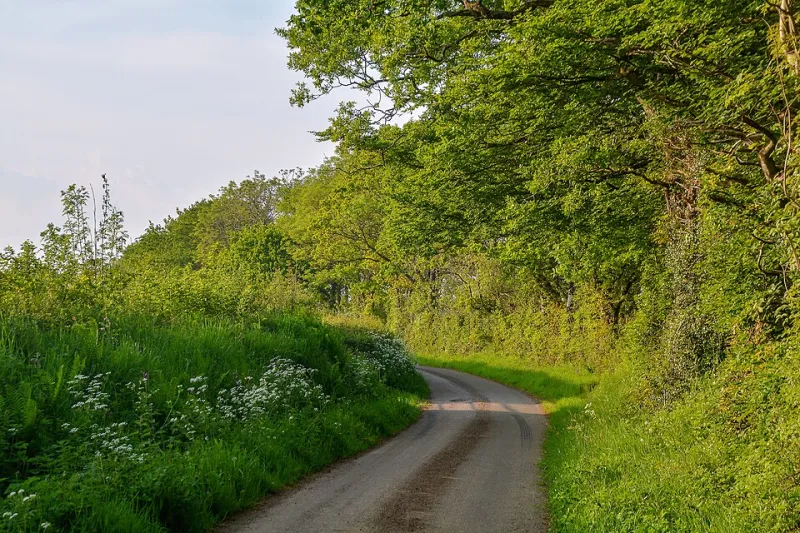
Photo: Lewis Clarke , CC BY-SA 2.0, via Wikimedia Commons
There is a particular pleasure in seeing a house name on a gate. Not a number, not a developer's plaque, but a name that sounds as if it has been there long enough to know the lane. It might be painted on a piece of slate, cut into a stone, or screwed to a bit of oak that has seen better decades. Whatever the material, it is doing something quietly ambitious: it is placing the house.
Choosing a name for a characterful home is not quite the same as naming a child or a boat. It is more public than that. It appears on letters, delivery apps, insurance forms and, eventually, a listing. It is also a small piece of local storytelling. Done well, it belongs. Done badly, it sounds like a holiday let that has escaped.
A name is a small piece of local history
Start with the lane itself. What was it called before it was called what it is now? Old maps, tithe records, local history society archives and the county record office can all turn up field names, former uses and older spellings. A house that sits on what was once a meadow, an orchard or a strip of woodland has a ready-made vocabulary to draw from.
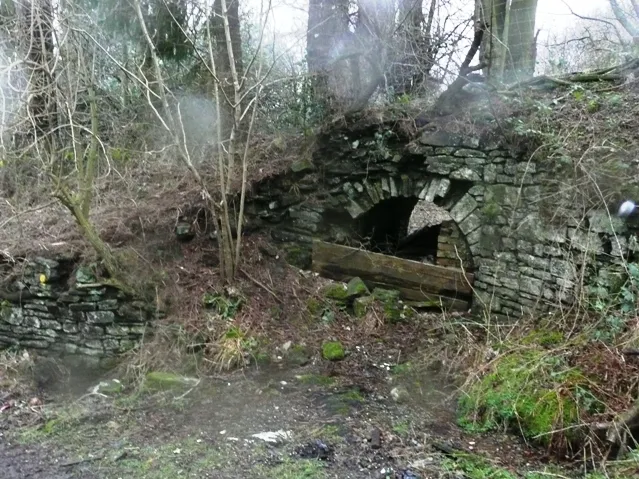
Field names are especially useful. They tend to be plain and descriptive: Long Meadow, Upper Orchard, Rushy Piece, Kiln Field. You do not need to prove that your house was the farmhouse. You need to be honest about what the name is doing. If the field was there and the house came later, a name that nods to the field can still feel grounded. If the name claims a history the house never had, it will always sound slightly borrowed.
Brick, tree and trade
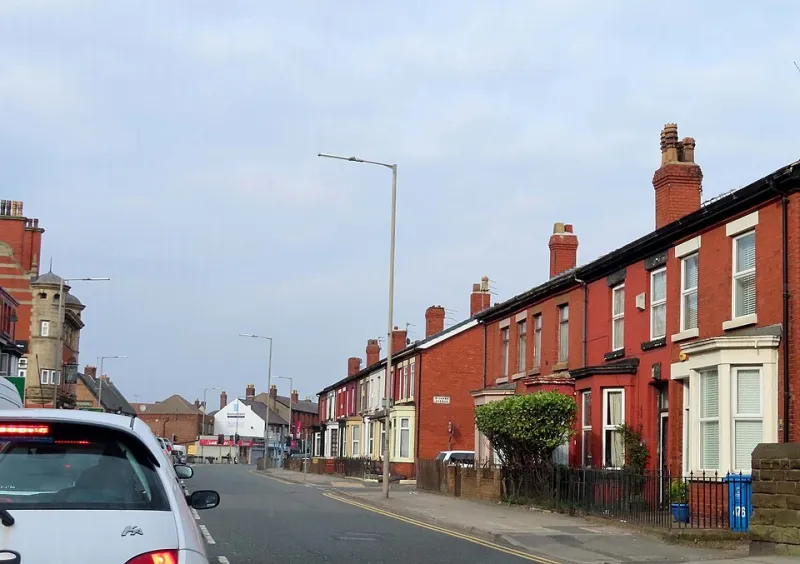
Look at the house itself. Old brickwork has its own language: headers, stretchers, diapering, string courses, a particular colour of clay. A name can draw on that without becoming an architectural lecture. Brick House is plain but honest. The Flemish Bond is a bit too insider for most gates. Something like Redhouse Lane itself understands the balance: brick, place, no fuss.
Trees are another reliable source, but only if the tree is real. The Oak, The Willow, Ash Cottage and Lime Tree House all work when there is a tree to justify them. If the only oak is a very recent specimen in a pot, give it a decade before you put it on the gate.
Local trades can be even better. Smithy, Wheelwright, Maltings, Forge and Cooper are all names with a bit of grit. But they carry a claim. If your house was not the smithy, and there is no smithy nearby, the name is a costume. A good rule: draw from the lane's history, not from a fantasy of it.
The cliché trap
We all know the names that make a lane wince. Little Haven. Dunroamin. Peaceful Retreat. The Nest. Rose Cottage is not a crime — it has been used so often that it has become almost invisible — but it is not doing much work either. The real problem is not prettiness. It is mismatch.
A name should not promise a sea view when the window looks at a garage. It should not call a compact terrace cottage a manor. It should not use an apostrophe for decoration. And it should not be so determined to be charming that it forgets to be useful.
Twee names often come from trying to say something about the owners rather than the place. A house name is not a personality quiz. It is an address. It should sound natural when you say it aloud: I live at Long Meadow. I live at The Old Forge. I live at Kiln House. If you would feel slightly embarrassed saying it to a plumber, it probably needs another draft.
Check the practicalities
Before you commit, do the boring bits. If your house has a number, a name does not replace it for postal purposes. Royal Mail and your local council will have a view on how addresses are registered. Tell your insurer, your utilities and anyone who sends you a letter. A new name can confuse a delivery driver for months if the old one is still on the gate.
Check that the name is not already used in the same postcode, and search it online. You do not want to discover that your chosen name belongs to a nearby holiday cottage with a very active booking page. If the house is listed or in a conservation area, check whether a new sign needs consent. Usually it is a small matter, but it is better to ask than to apologise.
How a name shapes the details
A name is not just a word. It shapes the letterbox, the sign, the way you describe the house to a buyer. A well-chosen name gives an estate agent something to work with that is not simply three bedrooms and a south-facing garden. It can make a listing feel like a place rather than a floor plan.
But it should not overreach. The best names are quiet enough to let the house speak. They sit on the gate without shouting. They make sense to a neighbour. They sound as if they were found rather than invented.
Let the lane lead
If you are stuck, go back to the lane. Walk it slowly. Notice what is actually there: the wall, the tree, the old pump, the shape of the field beyond the last house. The name is probably closer than you think. It might be a field name, a trade, a tree or a simple description of the brick.
The test is simple. Say it at the gate. Write it on an envelope. Imagine it on a listing. If it belongs to the place, it will settle. If it belongs to a brochure, it will never quite fit.