Fading Well: Choosing Exterior Paint That Improves With British Weather

Photo: weathered limewash exterior wall English brick cottage paint finish close up, via i.pinimg.com
There is a particular kind of disappointment that comes from a freshly painted elevation in its second spring. The colour was right in the tin and right on the sample card, and now there is a grey bloom along the north wall, a chalky tide mark under the gutter, and a hairline crack that nobody noticed last year. The paint has not failed because it was the wrong shade. It has failed, or begun to, because nobody asked how it would age.
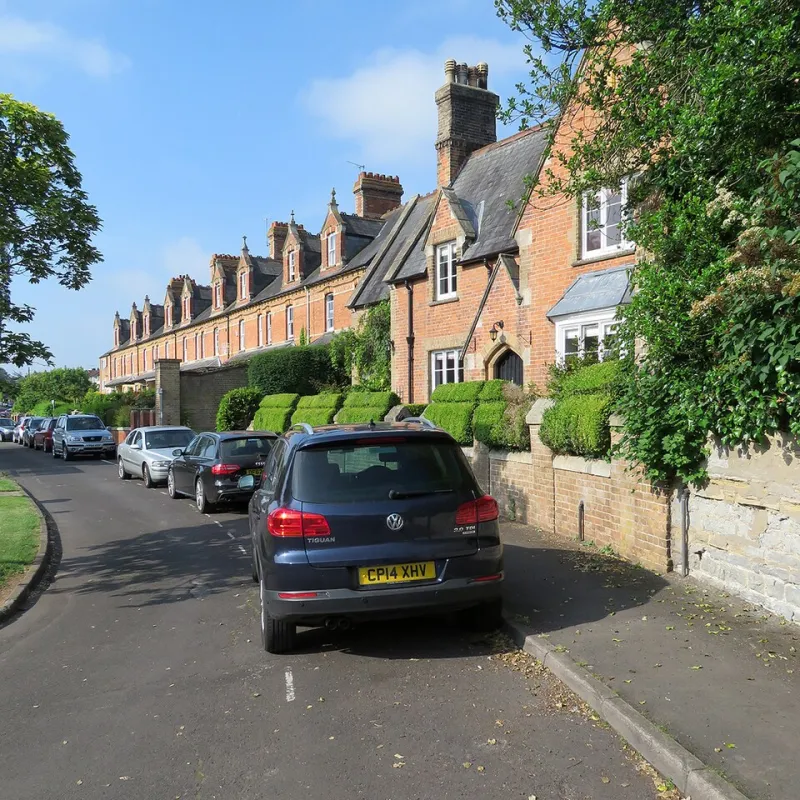
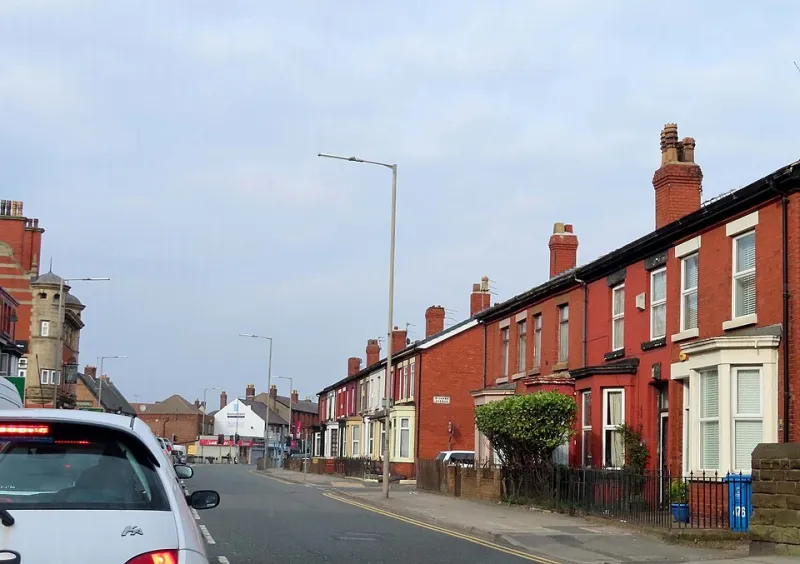
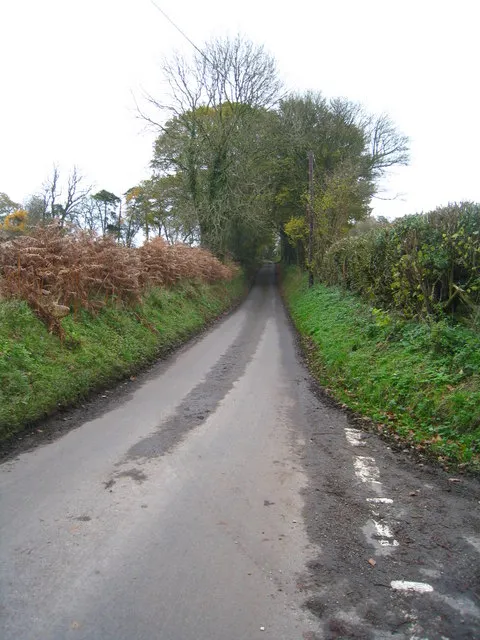
On a lane, that question matters more than usual. Houses sit close to the road, elevations are shaded by neighbours, and the same wall can be baked in June and soaked in January. What follows is a guide to picking finishes on the basis of how they weather, not only how they look on the day the scaffolding comes down.
Why exterior paint behaves differently here
British weather is not especially extreme, but it is relentless in a specific way: long damp periods, low drying temperatures, and prevailing south-westerly winds that drive rain onto west and south-west elevations. Those faces take the weather. North and east faces stay colder and wetter for longer, which is why they grow algae first and why a finish that breathes matters most there.
The second factor is the substrate. Old brick and lime render move. They take up and release moisture. A coating that seals them into a plastic film will hold that moisture in and eventually blister, or it will trap it behind a skin that then flakes off in sheets. This is the single most common cause of exterior paint failure on period property, and it has nothing to do with the colour.
Microporous masonry paint: the safe pair of hands
For most brick and rendered lane houses, a good acrylic microporous masonry paint is the pragmatic choice. It allows water vapour to escape while shrugging off rain, it stays flexible enough to cope with minor movement, and it comes in a vast range of colours including the earthier, chalkier tones that suit older buildings.
Where it falls down is on very damp or very newly repaired walls, where a breathable system has the edge, and on highly textured surfaces, where a heavy acrylic film can look like a coat of icing. Choose a mid-sheen or matt rather than a silk, and avoid anything described as a weather shield with a sealed finish.
A practical note: two coats over a sound, washed substrate will usually outlast three coats over a dirty one. Preparation is where the money goes and where the durability comes from.
Limewash and silicate: breathable, chalky, demanding
Limewash is the finish most associated with old lanes, and for good reason. It is vapour-permeable, alkaline enough to discourage mould, and it ages in a way that genuinely suits old walls — thinning and powdering rather than peeling. The colours are soft and mineral, and a limewashed wall in an ochre or a pale stone white looks like it has grown there.
It is also high maintenance. Expect to refresh every three to five years, more often on exposed or north-facing faces. It should be applied to lime render or previously limewashed masonry, not to cement render, and it needs decent drying weather — a job for late spring, not October.
Silicate paints sit between the two worlds: mineral, highly breathable, chemically bonded to the substrate rather than sitting on it, and considerably longer-lived. They cost more and the ranges are narrower, but on a damp, sheltered elevation they are hard to beat.
Joinery: gloss is back, but not the gloss you remember
For windows and doors, the argument has shifted. Traditional solvent gloss gives a hard, glassy finish that yellows over time on north-facing elevations, but modern water-based glosses have largely solved the yellowing while staying flexible enough not to crack at the joints.
Two thoughts for a lane house. First, eggshell on joinery is often the better look on old buildings — softer, less shiny, more forgiving of imperfect old timber. Second, whatever you choose, pick a system: primer, undercoat and topcoat from one manufacturer. Mixed systems are where adhesion problems come from.
Timber: oil rather than film
On gates, cladding, fascias and the good old-fashioned shed, the choice is between a film-forming stain and a penetrating oil. On a wet, shaded lane, oil usually wins. It soaks into the grain rather than sitting on top, so it does not crack and flake, and it can be topped up locally rather than stripped back.
The trade-off is frequency: every twelve to twenty-four months on exposed faces. Film stains last longer between coats but fail more dramatically, and once water gets behind the film the timber underneath suffers quietly.
If you want the greyed, silvered look, there are now oils and treatments that give protection while letting the timber go grey. On a lane, a silvered oak gate is often more forgiving than a stained one.
North faces, wet faces, and what the bloom is telling you
Green algae along a north or east wall is not a paint fault. It is a moisture-and-shade problem, and painting over it just puts a coat on top of the cause. Wash with a suitable fungicidal or algicidal solution, rinse thoroughly, let the wall dry out, then paint.
If a wall is persistently wet, the fix is usually upstream: a blocked or undersized gutter, a failed downpipe joint, a raised path bridging the damp course, or a leaking hopper. Repainting before sorting those out simply restarts the clock.
Testing properly, on the wall that will actually get wet
A colour card tells you nothing about a lane. Patch-test instead, and test properly: a square metre, on the elevation that takes the worst of the weather, with the full system — primer, undercoat, two topcoats — applied exactly as you would apply the whole job.
Then leave it for a full winter. This is the part people skip. A twelve-week window that includes frost and driving rain will tell you more about chalk, sheen, dirt pickup and colour shift than a year of looking at photographs. Test two or three colours side by side, at eye level, and look at them in flat light as well as sun.
Colours that fade rather than fail
Some pigments and shades degrade politely. Others do not.
- Ochres, stone whites and pale greys chalk and lighten gently, which on old brick reads as age rather than neglect.
- Deep saturated reds and strong blues are the riskiest. They can shift noticeably in UV and go patchy where a wall faces different directions.
- Bright whites yellow or grey over time, especially under trees and on north elevations. An off-white with a little warmth is more forgiving.
- Strong dark colours on render show every hairline crack and every bloom of algae, and they absorb heat, which stresses the substrate.
- Pale pinks and soft terracottas are the quiet winners on brick — they fade in a way that flatters.
The maintenance cycle nobody mentions
Assume limewash every three to five years, silicate or good masonry paint at eight to twelve, water-based gloss on joinery at six to eight, and timber oil every year or two on exposed faces. Budget for the gutters every autumn and a wash-down of north elevations every couple of years.
Write the product names and the date on the inside of a cupboard door. Future you, or the next owner, will be grateful. And when the time comes to choose again, choose the finish that will look honest in five years rather than perfect for one season — a lane full of buildings quietly weathering well looks considerably better than a street of freshly sealed boxes.