Copper, Coal and Cold: Decoding the Back-Garden Outbuilding on a British Lane
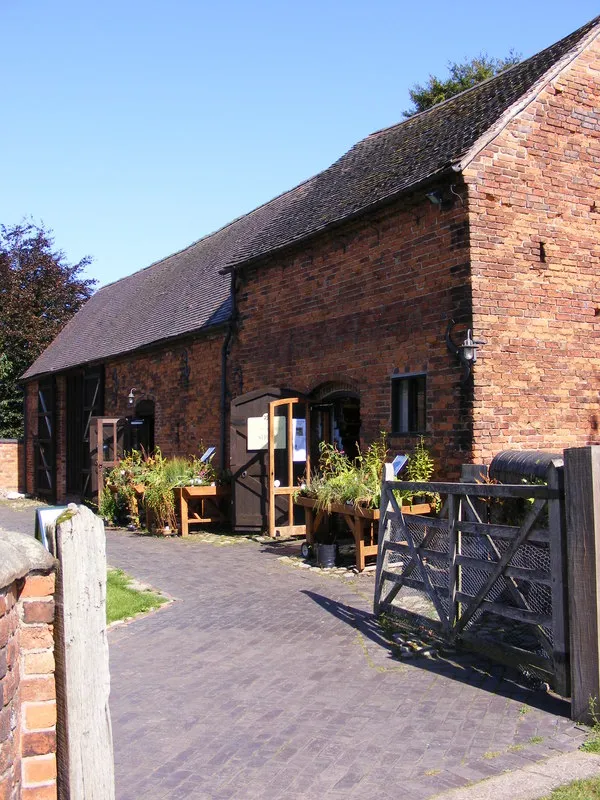
Photo: Gordon Griffiths, CC BY-SA 2.0, via Wikimedia Commons
There is a particular kind of building that turns up at the bottom of a long British garden: too solid to be a modern shed, too small to be a garage, too stubborn to fall down. It sits at the end of the path, often half-hidden by a buddleia, and it has been quietly minding its own business since long before anyone thought a garden room needed a log burner and a marketing brochure.
At Redhouse Lane, we like these buildings. They are some of the most honest bits of a old plot. But they are also easy to misread. Before you sweep the cobwebs aside and start choosing a paint colour, it is worth letting the outbuilding tell you what it was — and what it can reasonably become.
Start with position, not Pinterest
The first clue is not the brickwork. It is where the building sits. A coal store wanted to be near the back door or the rear lane, so the coalman could tip a sack without walking through the house. A privy often sat away from the kitchen and well, but not so far that a winter trip became an expedition. A washhouse needed water, a drain and enough space for a copper, so it tended to be close to a gully or a soakaway.
Look at the path. Does it run straight to the door, or does it swerve to a spot where a copper or a water butt once stood? Is there a hard standing beside the building where sacks or a cart could be set down? A little outbuilding with a wide doorway facing a rear access track is telling you something different from one with a narrow door tucked behind the raspberries.
What the bricks and mortar remember
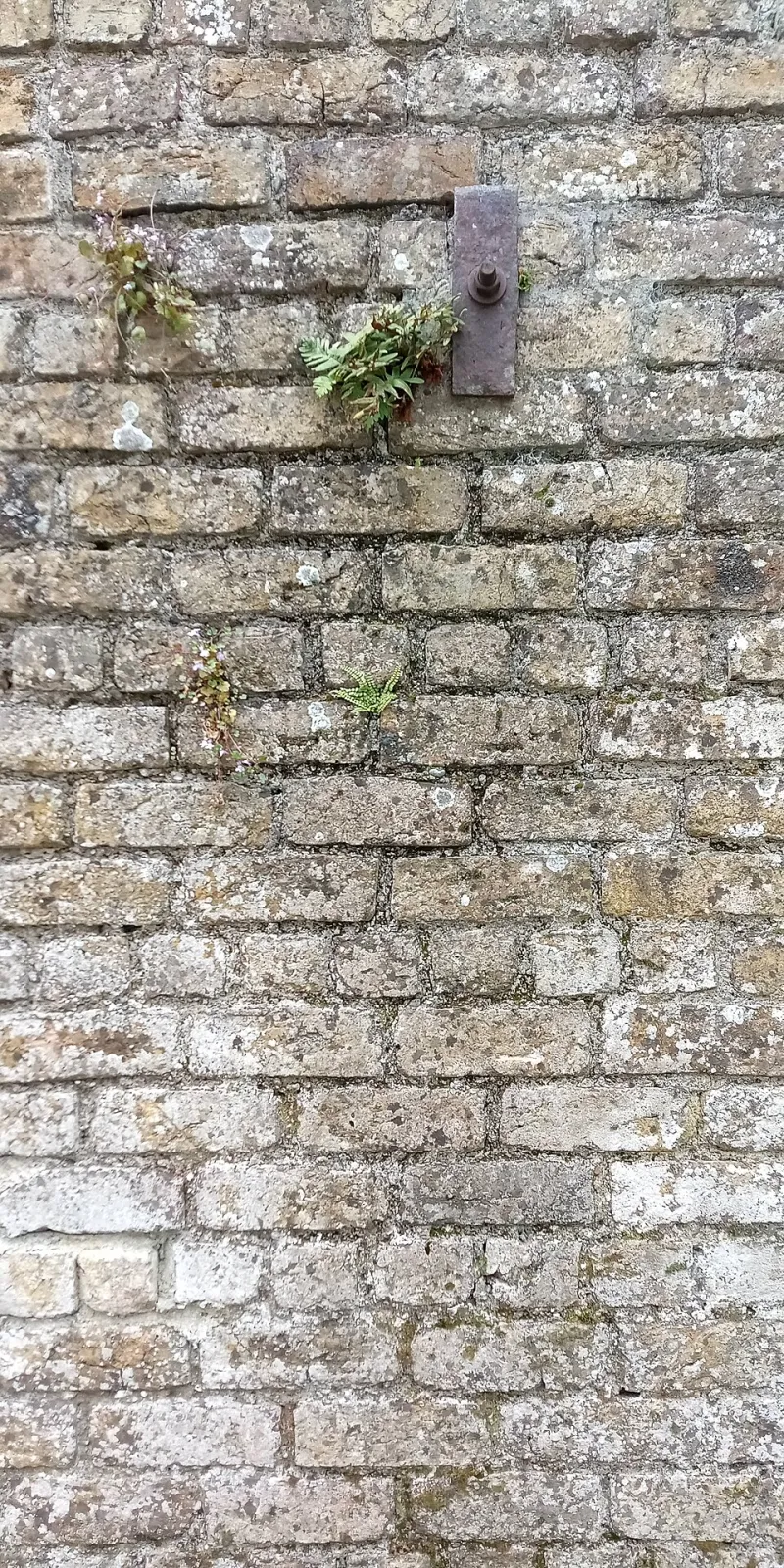
The walls are the next chapter. Old outbuildings were often built from whatever was to hand: cheaper bricks, over-fired bricks, sometimes a course or two of stone. That is not a defect. It is a record of a working building. If the mortar is soft, crumbly and pale, it is likely lime mortar, and it has been doing its job by flexing slightly with the seasons. Cement pointing on a little brick outbuilding is a common later addition, and it is often the reason the bricks around it have started to spall.
Look closely at the lower courses. Are there patches of darker, soot-blackened brick? That can point to a copper, a stove or a boiler. Are there white bloom marks? That may be salts drawn out by damp. Neither is a reason to panic, but both are reasons to investigate before you seal the building up with modern materials that stop it breathing.
Vents, soot and the ghost of a copper
Vents are wonderfully chatty. A small air brick low down might have fed a fire or kept a coal store dry. A slatted opening high up could have dried washing or let steam out of a washhouse. A bricked-up opening with a sooty smear above it is a strong hint that something burned there.
Inside, look for a chimney breast or a stub of flue. A broad, shallow hearth is often a copper mark; a narrow one may have served a small stove. Shelves cut into a thick wall can suggest a privy, especially if the building is set away from the house and has a simple bench-like structure. A stone floor is another clue: privies and coal stores often had hard, utilitarian floors, while washhouses needed a drain and a fall towards it.
Do not overlook the door. A door that opens outwards is common on small outbuildings, and a split or ledge-and-brace construction suggests something made by a local carpenter rather than a catalogue. If the door has been replaced with a modern uPVC version, the original frame may still be there beneath it, and that is worth recording before it disappears.
Repair before you reinvent
The temptation, once the history is clear, is to restore the building into something it never was: a crisp little studio with underfloor heating and a wall of glazing. Sometimes that works. Often it fights the building.
A sensitive approach starts with weather and structure. Clear the gutters, check the roof, and make sure water is leaving the building rather than sitting in the wall. Repoint in lime if lime is what is there. Mend the door and the window before replacing them. Keep the vents working. If the floor is damp, do not cover it with a sealed membrane without understanding where the moisture is coming from.
Then think about use. A bike store, a potting shed, a small workshop, a garden room that does not need to be warm all winter — these are all modest jobs for a modest building. If you want a habitable room, be realistic about insulation, damp control and the cost of doing it without trapping moisture. A little brick outbuilding can be brought back into service, but it is not a blank canvas. It is a building with a past.
The planning bit nobody wants to read
In England, many outbuildings benefit from permitted development rights, but the rules are not a free-for-all. Height, footprint, distance from boundaries and the building's use all matter. Conservation areas, listed buildings and Article 4 directions can remove those rights entirely. If your lane house is in a conservation area — and plenty are — assume nothing until you have spoken to the local planning authority.
There is also the question of use. Storing bikes and potting compost is one thing. Running a business, sleeping in it or letting it out is another. Check before you convert, not after. A quiet word with the conservation officer at the start is usually cheaper than a retrospective application later.
The case for leaving well alone
Over-restoration is the real risk with these buildings. It is easy to sandblast the brick, replace the roof with a heavier modern covering, block the vents and paint the walls with a sealed masonry paint because it looks tidy. Each of those choices can shorten the life of the building. A little outbuilding does not need to look new. It needs to look cared for.
So before the pressure washer comes out, spend an hour at the end of the path. Sit on an upturned bucket. Watch where the water goes. Read the soot, the vents and the worn step. The little brick shed has been telling the story of the plot for a century or more. It is worth listening before you redecorate.