Before the Cement Bag Comes Out: Repointing Old Brick Without Shortening Its Life
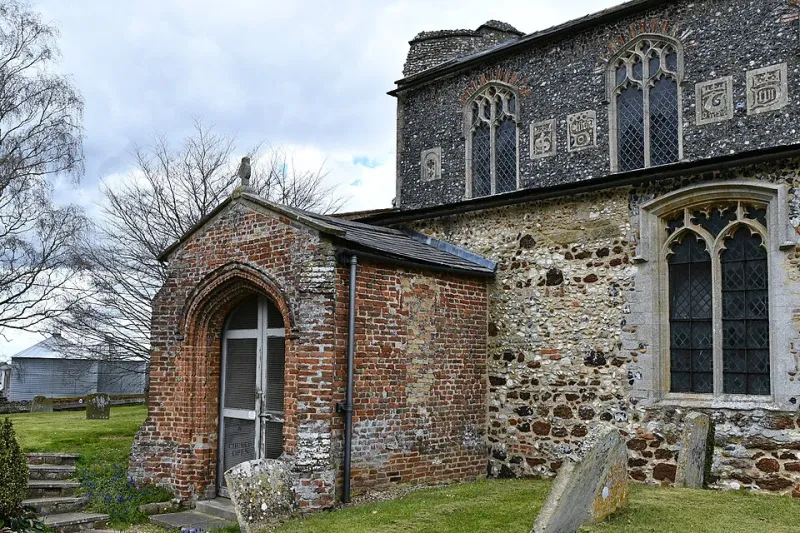
Photo: Michael Garlick , CC BY-SA 2.0, via Wikimedia Commons
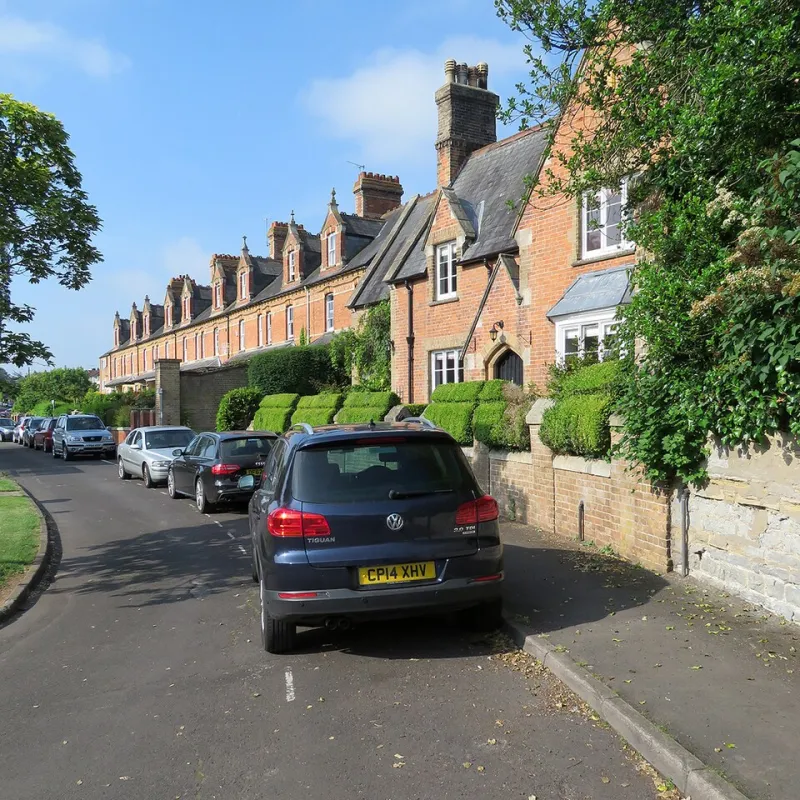
Repointing looks like the most straightforward job on a period house: scrape out the old stuff, push in new, tidy the edges. On a brick facade that has stood for 150 years, that assumption is where trouble starts. The mortar in an old wall is not just filler. It is the sacrificial layer that takes the weather, moves with the building and lets moisture escape. Get it wrong and the bricks start paying the price.
Why cement can be the wrong kind of tough
Modern cement mortar is strong, dense and admirably stubborn. Those are virtues in a foundation. In the joints of soft Victorian or Georgian brick, they can be a liability. Old bricks are often softer and more porous than the mortar around them. A hard cement mix can be less breathable, trapping water inside the wall. When that water freezes, it expands; when salts crystallise, they push at the brick face. The result is spalling: corners blown, faces flaking, bricks crumbling from the inside out. A cement repoint can also crack away from the brick as the wall moves, creating a neat little channel for rainwater. It looks tough. It is not always kind.
Read the wall before you book anyone
Before a scaffolder arrives, spend an hour at ground level. Look at the joints: are they recessed, crumbling, sandy or hollow? Are there hairline cracks following the joints? White salts on the surface, green algae in shaded patches, damp stains under a window or a blown brick face all tell a story. Check whether previous repairs used a hard grey mortar; if the pointing is harder than the brick, that is a warning. If a joint can be scratched with a screwdriver while the brick stays firm, the mortar is probably doing its sacrificial job. Photograph the elevations in flat light, note the worst areas, and resist the urge to jet-wash the wall before anyone has assessed it. Water blasting can open up failing joints and drive moisture deeper into soft brick.
What lime actually does differently
Lime mortar is breathable, flexible and comparatively weak. That weakness is the point. It moves with the wall, allowing small movements instead of fighting them, and it lets moisture migrate out through the joints rather than being trapped in the brick. It also suits the softer bricks and uneven beds of older British masonry. A specialist may use a non-hydraulic lime putty, a hydraulic lime such as NHL 3.5, or a blend, depending on the wall, exposure and existing mortar. The sand matters too: grading and colour should suit the local brick, not just the colour chart. This is not the same as limewash paint, and it is not a job for a general builder who treats lime as a quirky extra. The mix, the depth of rake-out and the finish all need to be matched to the building.
Briefing a specialist without getting lost
Ask for a method statement and a sample panel before work starts. A good specialist will want to test or at least examine the existing mortar, not guess from a photograph. Useful questions include: will you rake out by hand or with a grinder, and how deep? What lime and aggregate are you proposing, and why? How will you protect the bricks, scaffold and surrounding paintwork? How will the mortar be cured in warm, windy or wet weather? What will you do about cracks, spalled bricks or previous cement repairs? Are you insured, and do you have experience of listed buildings or conservation areas? If consent is needed, who is handling it? A sample panel is not fussiness; it is the cheapest way to avoid a whole elevation in the wrong colour and texture.
The decisions that quietly shorten a facade's life
Not every wall needs a full repoint. Local repair is often better than chasing a uniform finish, especially where most of the mortar is sound. Painting a breathable wall with a sealed modern coating, sealing it with water repellent, or replacing old bricks with hard modern ones can all undo the benefit of careful pointing. Repointing also will not cure damp if the real problem is a blocked gutter, a cracked downpipe, raised ground levels or a failed roof. Fix the water management first. Then let the masonry dry. Then point. A sensible sequence is diagnose, consent, appoint, sample, point in a suitable weather window, cure, and review after a full wet season. It is slower than a cement patch-up. It is also how a characterful brick facade gets to its next century.