Redhouse Lane Home

Category

Renovation

13 articles

Width, Walk and Welcome: The Quiet Work of a Lane-House Hall

Width, Walk and Welcome: The Quiet Work of a Lane-House Hall

Long, narrow entrance halls are often treated as little more than a route from the front door to the kettle. In a lane house, they can do far more — provided you protect the walking line, give storage a proper job and stop the space becoming a holding pen for everything that has no other home.


The Rain Route: Tracing Water Around an Old Lane House Before Winter

The Rain Route: Tracing Water Around an Old Lane House Before Winter

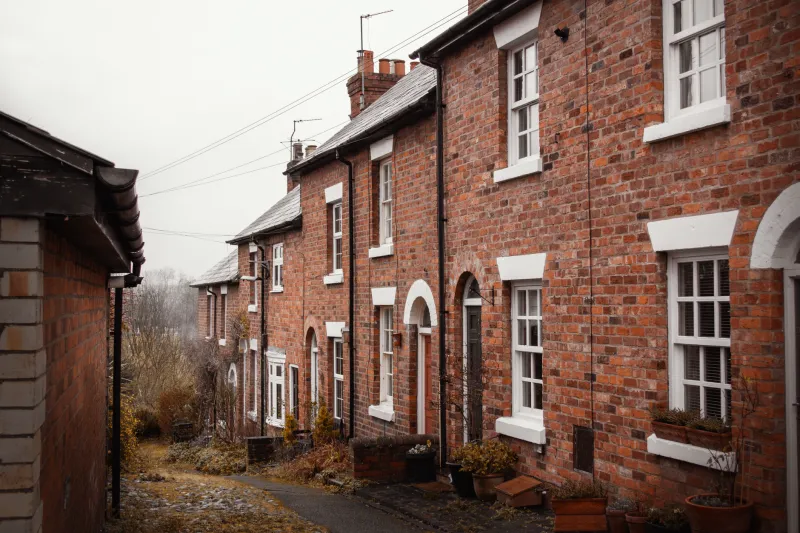
Before the winter rains settle in, it pays to know exactly where the water goes around an old brick lane house. This is a practical walk-through of gutters, downpipes, gullies and ground levels — and how to tell a simple blockage from something that needs a specialist.

The Buffer Room: Why a Lane House Porch Is Worth Getting Right

The Buffer Room: Why a Lane House Porch Is Worth Getting Right

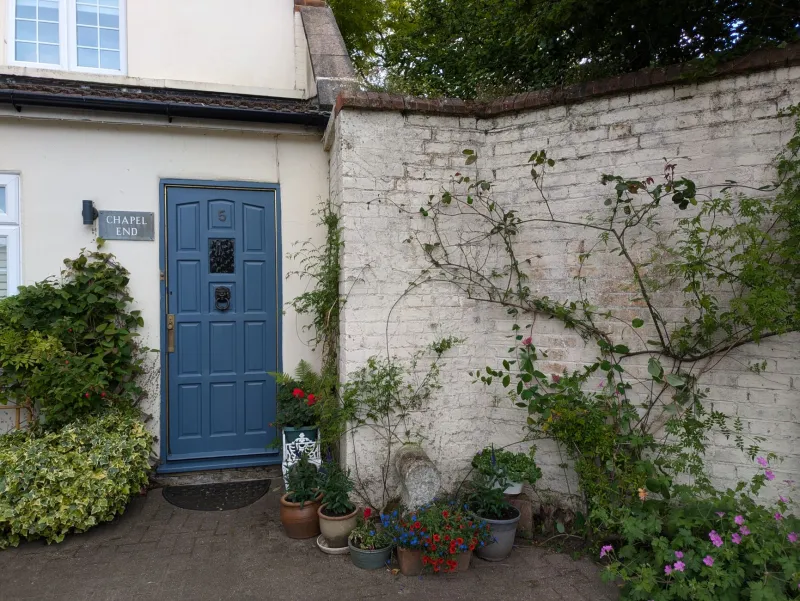
A porch is often treated as an afterthought—a canopy with delusions of grandeur or a glass box bolted to the front. On a lane house, though, it can be the most quietly useful space you own: a weather break, a boot room in miniature and a polite piece of architecture all at once.

Borrowing the Sky: Scaffolding a Lane House Without Losing the Neighbours

Borrowing the Sky: Scaffolding a Lane House Without Losing the Neighbours

Scaffolding on a narrow lane is never just a building job. It is a temporary piece of street furniture, a neighbourly negotiation and a test of how well you protect old brick, front gardens and goodwill. Here is how to get the roof fixed without turning lane life upside down.

The Forgotten Metre: Giving the Side Passage a Job to Do

The Forgotten Metre: Giving the Side Passage a Job to Do

Most lane houses come with a narrow side passage that quietly fills up with bins, broken pots and damp. Rather than sealing it off or turning it into a grim storage corridor, it can be made to work as a route, a light-well and a weather buffer — with a little thought and very little building.

Underfoot History: Repairing a Worn Staircase Without Erasing Its Age

Underfoot History: Repairing a Worn Staircase Without Erasing Its Age

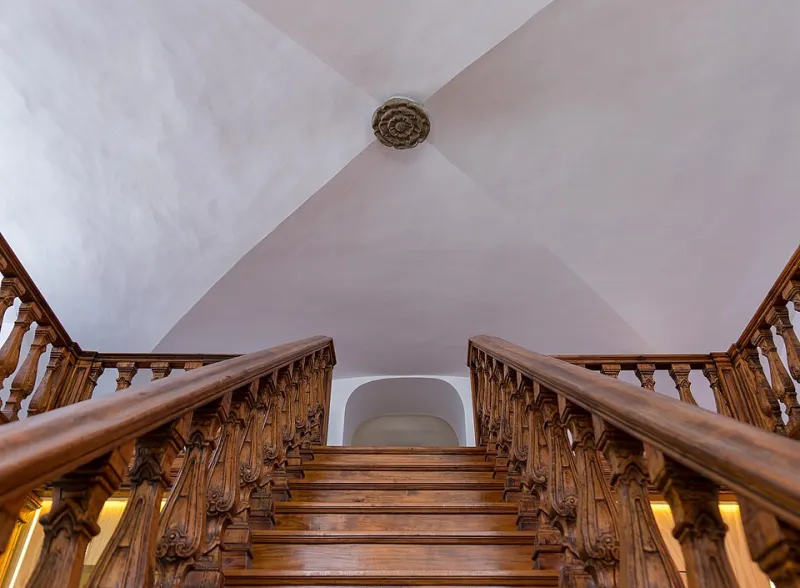
The staircase is the hardest-working piece of joinery in a lane house, and the one most likely to be replaced in the name of a clean start. Here is a preservation-minded but practical guide to quietening creaks, mending worn treads and keeping the layers that make an old stair worth climbing.

Let the Kitchen Wear In: The Quiet Case for Rooms That Age

Let the Kitchen Wear In: The Quiet Case for Rooms That Age

The glossy showroom kitchen is often the wrong answer for an old lane house. A more persuasive option is a room with a pantry, a dresser, a scrubbed table and materials that improve with use—here is how to update a dated kitchen without erasing its character.

The Autumn Once-Over: Ten Quiet Checks for an Old Brick House

The Autumn Once-Over: Ten Quiet Checks for an Old Brick House

Before the first hard frost settles on the lane, an old brick house will quietly tell you where winter might get in. This is a slow, practical lap around the outside — gutters, air bricks, plinths, thresholds and all — with a clear eye on what to watch, what to fix and what to leave well alone.

Calm on a Busy Lane: How to Quiet a Characterful House Without Gutting It

Calm on a Busy Lane: How to Quiet a Characterful House Without Gutting It

Lane-side living is all charm until the 6.40am van door. A pragmatic, slightly opinionated guide to taking the edge off road noise in an old house — secondary glazing, door seals, heavy curtains, planting and boundaries — while keeping every bit of the character that made you buy it.